Got a kids’ party to host? Want to run a kindergarten, teach a yoga class or hold a meeting? These all require venues – but where are the rooms and halls to hire in West Hampstead?
Emmanuel Church and the Sheriff Centre are particularly keen to hear from those wanting to start a regular community oriented group. The Hub is also looking to work with partners.
Prices given are indicative – many venues reduce the price for community and regular users.
How big a room do you need? If square metres don’t mean a lot to you, then here’s a guide: a 35m2 room at Emmanuel Church will fit 15-16 for a meeting round a table, or ~25 in rows of seats (“theatre style”) for an AGM or presentation. For a yoga class, the 65m2 hall at Lymington Road can fit 15 (comfortably) to 24 (bit tight). For larger meetings, a rule of thumb is 1m2 per person sitting and 0.5m2 standing, so Kingsgate’s 87m2 main hall can roughly fit 100 seated and 200 standing.
Emmanuel Church
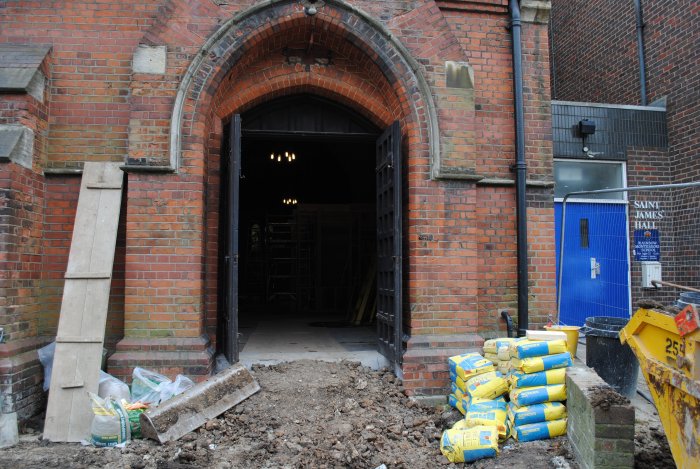
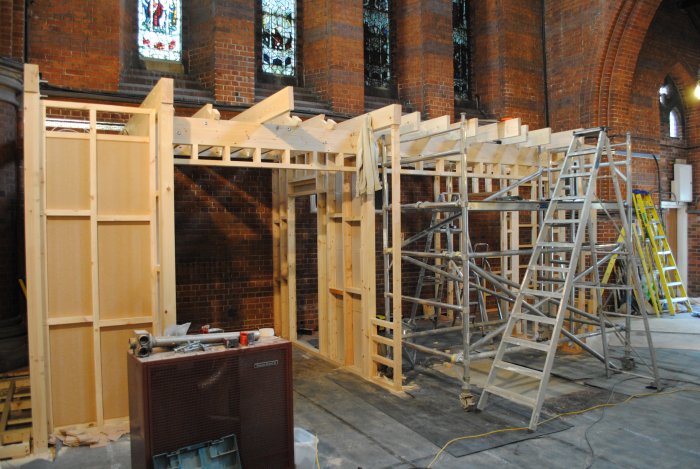
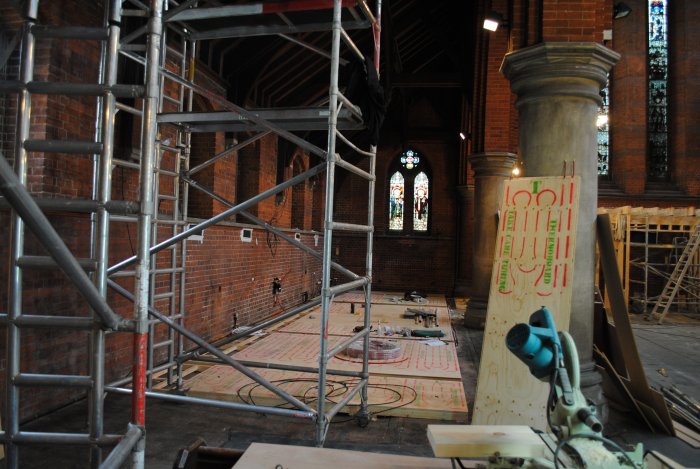
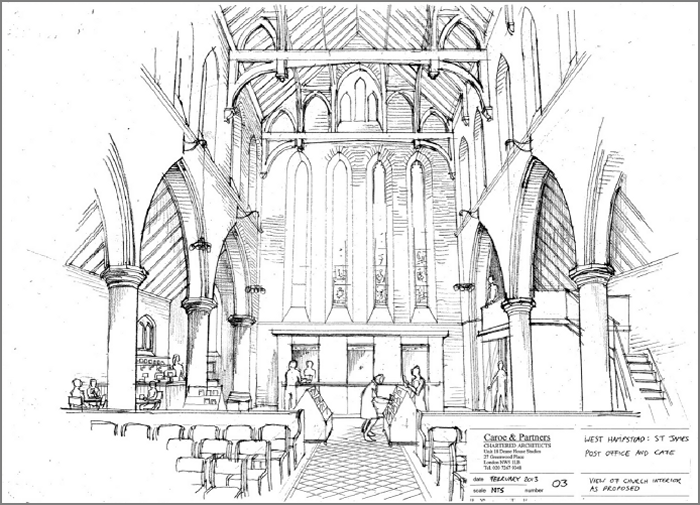
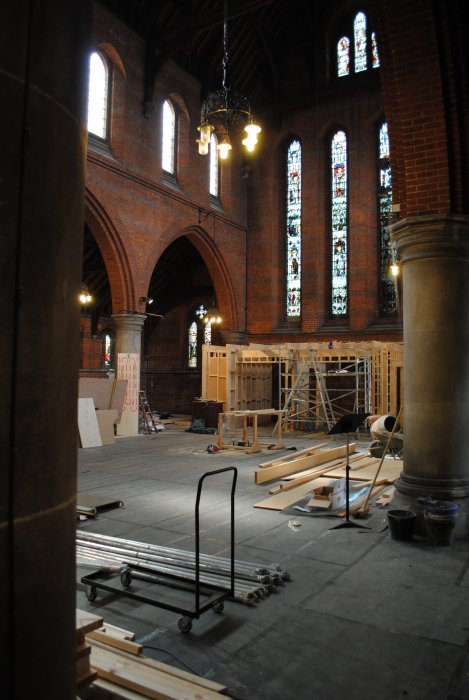
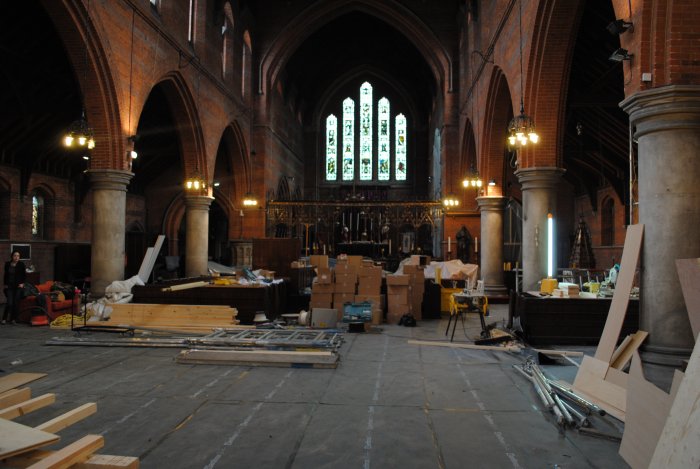
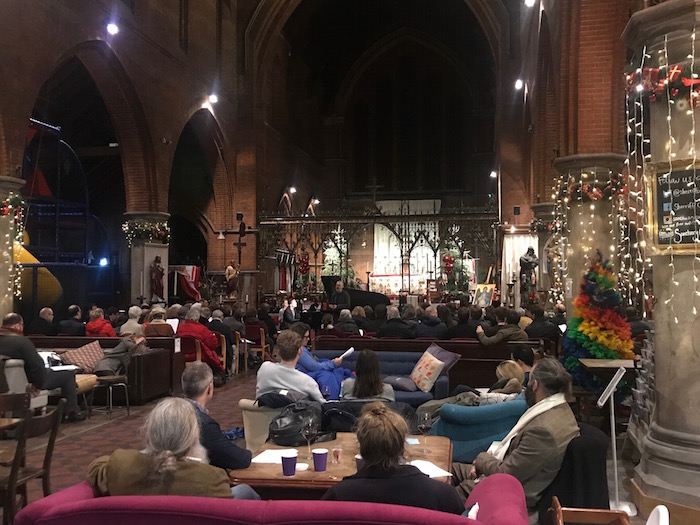
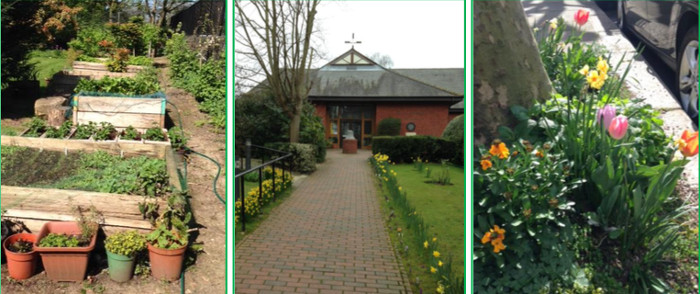
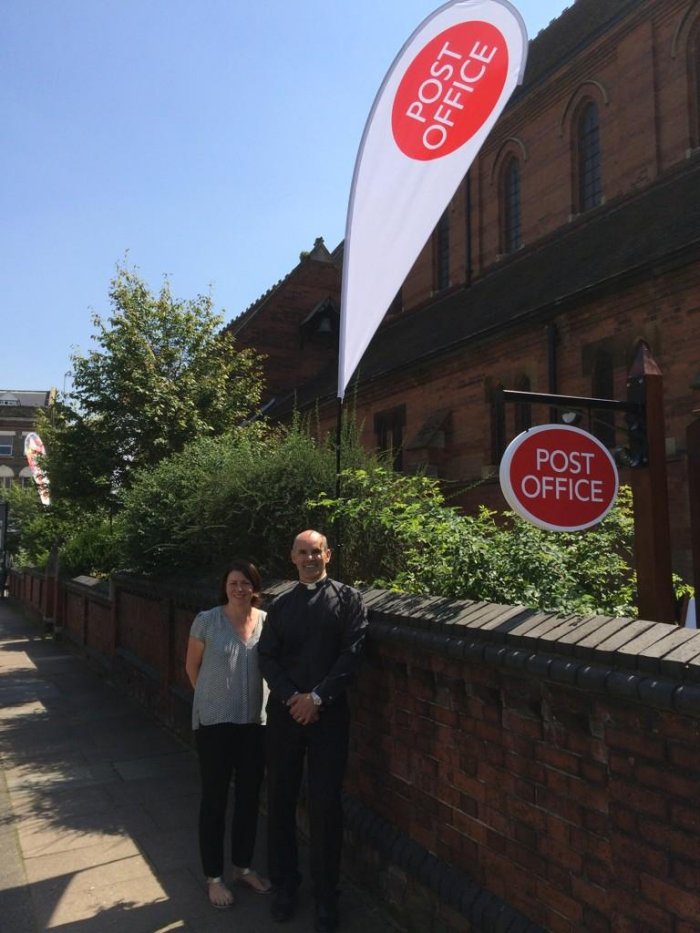
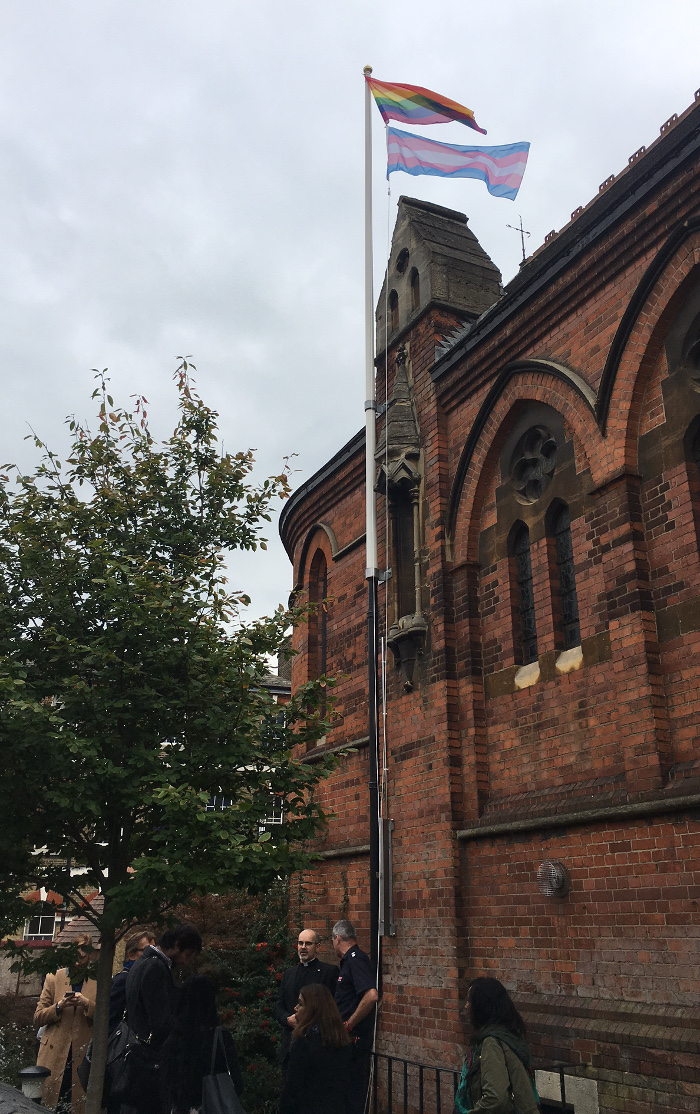
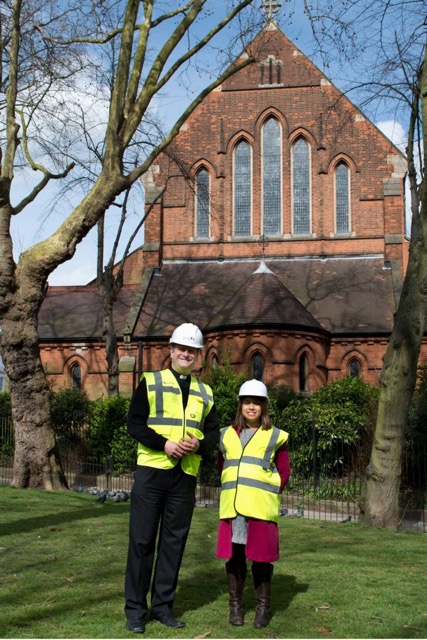
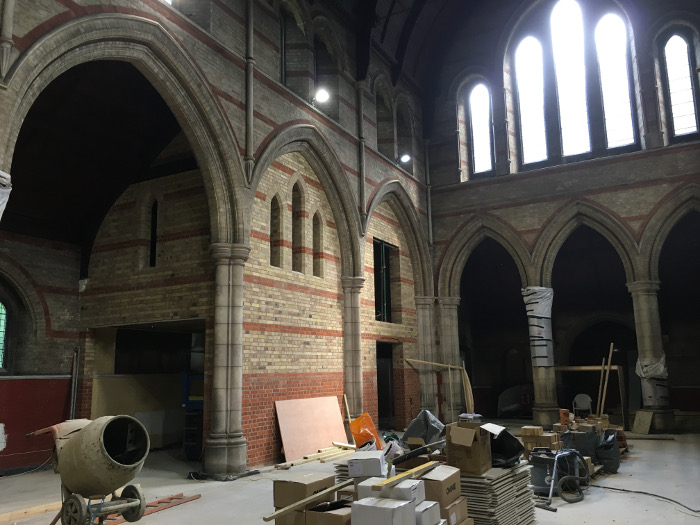
The newest kid on the block is one of the older buildings! As we reported last July, the newly refurbed Emmanuel Church has five spaces on offer: a small meeting room (16m2), three larger rooms (30-35m2 each) and rear nave space (not a near-rave space) that’s 100m2. And it has a small kitchen too.
Cost: £10 per hour for the smaller room; £20-£25 for the larger ones; £35ph for the rear nave space and £40ph to hire the whole church.
Contact: 020 7435 1911
St. Cuthbert’s Church
In a bit of empire building St. Cuthbert’s now falls under the aegis of Emmanuel and has a room for hire. It’s a hall that holds about 40 people, only really available on Saturday afternoons but that’s OK as it is mainly used for kid’s parties. It has access to a kitchen and toilets.
Cost: £50 per hour
Contact: hughstcuthberts@gmail.com
The Sherriff Centre
This trendy venue with a nice atmosphere has a couple of options: the Lady Chapel, which is used for classes and meetings during the day, is £15 per hour and £25 in the evening, though it can be a bit noisy at certain times of day.
For children’s parties (ages 1-8), there’s the popular Hullabaloo play area. Exclusive use is possible on Saturdays 10-12pm, 12.30-2.30pm, and 3-5pm. You can also hire the whole space in the evenings for bigger/bespoke events. The cost will depend on the precise details.
Cost: Non-exclusive use is £275 and exclusive £360. Sundays is £385 for exclusive use only as the building is closed to the public.
Contact: hello@thesherriffcentre.co.uk / 020 7625 1184
St. James’s Church hall, Sherriff Road
Right next door to the Sherriff Centre is St. James Church. The hall is 90m2 plus a stage space and it has not one, but two kitchens. A small niche one and a full-sized one too. And outdoor space, useful in summer.
Cost: £40 per hour, but negotiable for regular/community users.
Contact: 020 7372 6441 (Beryl)
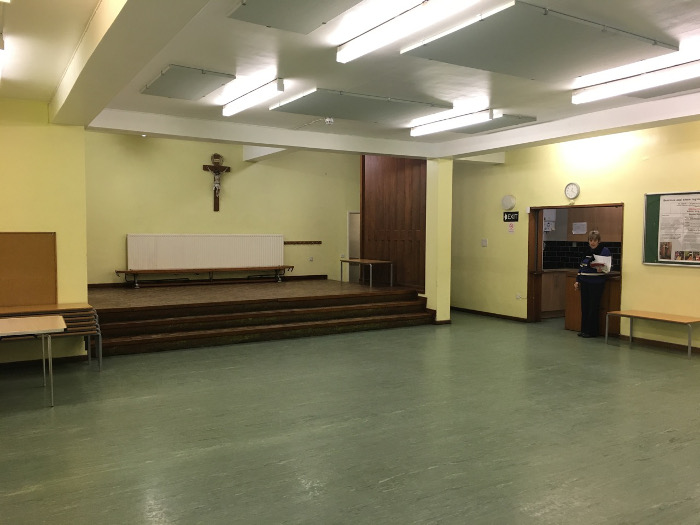
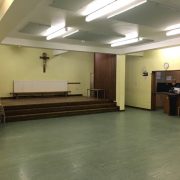
St. James Church Hall – they pretty much all look the same!
St. Luke’ Church hall, Kidderpore Avenue
It’s the other side of the Finchley Road so not technically West Hampstead, although its parish extends across to Fortune Green. Anyway it has a church hall available for hire that can hold 60 people
Cost: £20 per hour or £150 for children’s parties (3 hours), plus the bonus of a bouncy castle for hire.
St. Andrew’s United Reform Church Hall
Also on the other side of the Finchley Road, but at the bottom of Frognal at the junction with the Finchley Road, so practically West Hampstead. It has a larger hall and two smaller rooms available for hire at limited times during weekdays. The larger one is available for children’s parties on Saturday afternoons.
Cost: £30 an hour for children’s parties
Contact: Sara Meadows on 020 7794 9516
02 Centre
Part of the O2 centre’s obligations under planning consent is that it has community rooms available for hire. It has two spaces, The Art Gallery and The Venue.
The Art Gallery is 40m2 and suitable for small meetings and events.
Cost: £35+vat per hour or £140+vat per day.
The Venue is 200m2 (and has a mirror down one wall) and is suitable for larger events and training sessions. Alas, The Venue no longer accepts bookings for parties (wonder what happened there…)
Cost: £65+vat per hour Mon to Thurs, and £80+vat at weekends. (set up time is charged at £24+vat per hour). Regular events (classes) pay about half the hourly charge.
Contact: 020 7794 7716
JW3
JW3 has a wide range of options, although they are a little pricier than others. The facilities are still very new though, and there’s a great café on site. There are “breakout rooms”, a demonstration kitchen, a 60-seat cinema, a dance studio, the piazza and a hall that can seat up to 270 theatre style, or 180 banqueting style. The rate for all rooms varies according to whether it’s a charity, corporate or private event
Cost: the charity rate starts at £36 per hour for room hire – full and half-day rates are also available.
Contact: More details here.
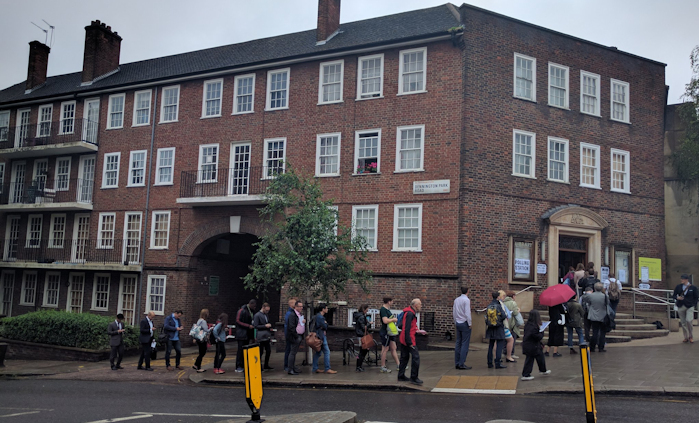
Hampstead Synagogue, Dennington Park Road
Familiar to some as the venue for the Area Forums, the upper hall is a large space that can seat up to 220 people. The Synagogue can also provide tea and coffee, tables and a projector and screen etc. for an additional fee. There’s also a smaller lower hall that seats 60.
The rooms are less glossy than some of the others, though there are plans for redevelopment (these are at a very early stage though!)
Cost: £60 per hour during the week and £70 Friday and Saturday irrespective of which room you choose.
Contact: admin@hampsteadshul.org.uk / 020 7435 1518
West Hampstead Library
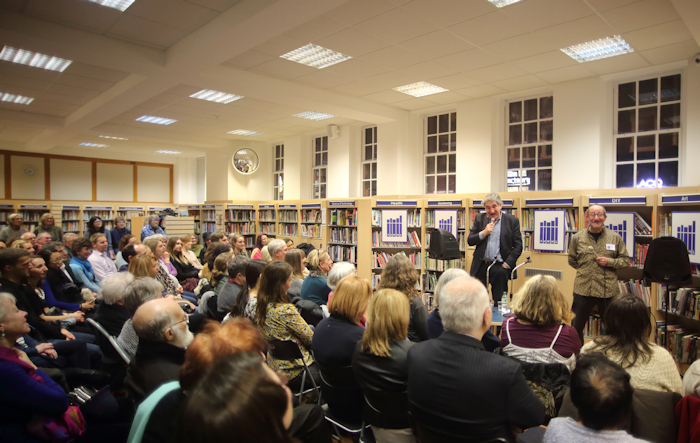
Often used for public meetings and talks, the library can seat up to 70 people, and allows some standing room in a flexible 90m2 space.
Cost: £25 per hour for community use and a rather pricey £100/hour for commercial use. AV facilities are available for an additional cost.
Contact: Camden’s events service events@camden.gov.uk or 020 7974 5633
Emmanuel School
The recently built school hall is a biggish modern space (about 180m2) suitable for public meetings (such as the council hustings we held there in 2014!) and children’s parties.
Cost: £40 per hour (£50 per hour including kitchenette). AV equipment is extra.
Contact: admin@emmanuel.camden.sch.uk
Fortune Green Playcentre
The playcentre is a popular, if slightly shabby, venue for younger children’s parties with the advantage of outdoor space for play (in summer).
Cost: £40 per hour with a three-hour minimum booking.
Contact: iola@paceforall.com
The Hub
If you are looking for something in South Hampstead, there is the Hub on Fairhazel Gardens It’s run as a mental health well-being centre, with a very helpful and clear website, and offer six tree-named rooms for rent. Like Emmanuel and The Sherriff Centre, The Hub is keen to work with other local groups.
Cost: Oak £35ph for 30-50 seated/60-70 standing; Beech and Elm £25ph for 10-15; Willow – a specialist computer room at £25pn for 5-10; Ash and Maple £15ph for 2-3, suitable as a therapy rooms.
Contact: 0207 278 4437
The Curled Leaf
The increasingly popular vegetarian Curled Leaf Cafe on Mill Lane has a basement room. If you are planning a giant’s convention then the ceiling is a bit low (but not that low) so as a venue for kids parties it’s fine. It even has direct access to a small garden. For parties they can obviously help with the catering – another bonus.
It is not just a party venue, it can also be used for yoga classes. And if you are looking for a massage/treatment room they have one of those upstairs that they occasionally let out.
Cost: The basement room is a reasonable £25/hour
Contact: 020 7794 6296
Healthtown
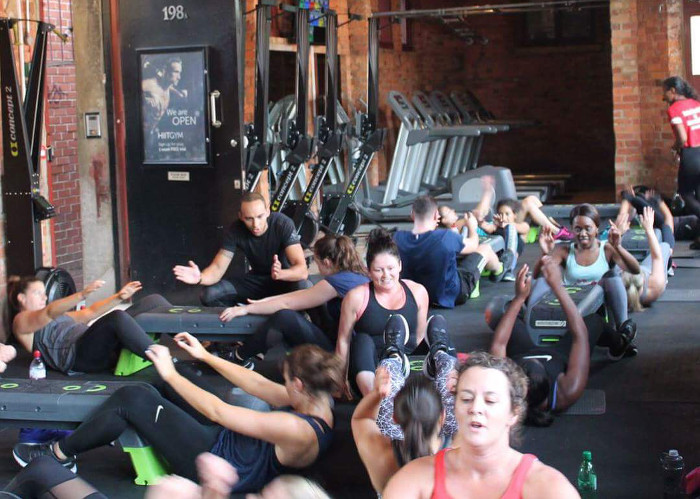
As the name suggests the rooms they offer are health oriented. There is a large (60m2) exercise space complete with mirror down one side (used by ballet classes)
The Rooms Above
(How I missed this one in the original listing I don’t know). The Rooms Above have six rooms – three larger and three smaller ones. In their own words “the rooms are used for rehearsal groups, personal trainers, life coaches, healing arts therapists (pilates and yoga), singing, dance, music and much much more!”
Cost: The larger rooms are £20 to £25 per hour and the smaller ones £15 to £18.
Contact: via their very comprehensive website
The Community Centres
Lymington Road Residents Association Hall
This is a fairly simple 65m2 room with a small kitchen. It gets quite booked up, especially at evenings and weekends. It’s used in the evenings for yoga and karate
Cost: £20 per hour.
Contact: lrrahall@gmail.com
Sidings Hall
Sidings (off Maygrove Road) has a number of rooms and halls (and a kitchen) for rent, although they are fairly busy so availablity is limited
Contact: 020 7625 6260, info@sidings.org.uk
West Hampstead Community Centre
There’s a small hall (about 50m2) for rent that has just been renovated but is fairly booked up (especially in the evenings) as it is used for a wide range of classes.
Cost: £20 for classes, more for one-off events.
Contact info@cawh.org.uk, 020 7794 3729
Kingsgate Community Centre
Kingsgate has a number of rooms to hire, including a large hall with stage (£60 per hour for 200 seated/100 standing), a small hall with kitchen (£29 for 100/50), an art room (£30 for 15) and two meeting rooms (£23 for 12). After a big rent increase by the Council, Kingsgate has reviewed hire rates – the rates quoted are for private hire, though it has a sliding schedule for community/regular users.
….And finally, there is possibly one more room on the way as plans for 156 West End Lane include a 65m2 community room. So there you are – updated – it’s now twenty possible venues in West Hampstead, with more than – updated – 50 separate possible rooms for hire.
That’s it!
If I’ve missed any – and I’m sure I have – please let me know. We haven’t covered party venues – i.e., pubs – in this post. We’ll be looking at that next.



























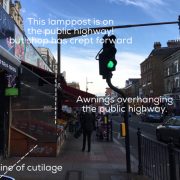
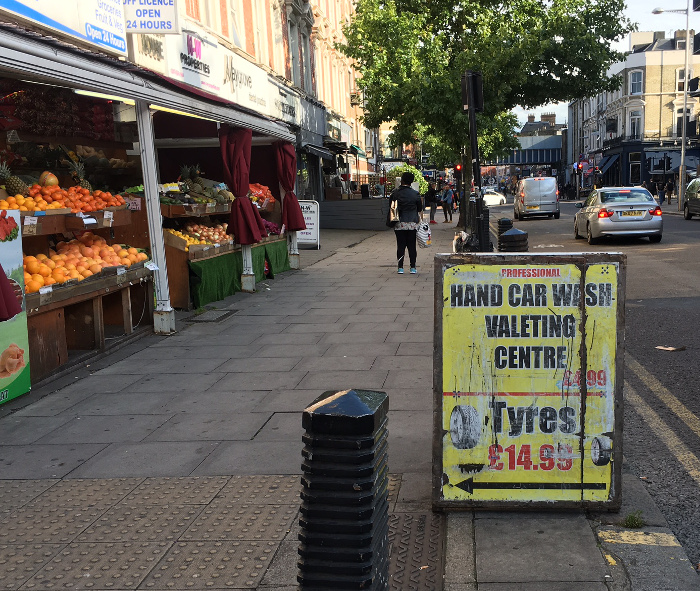
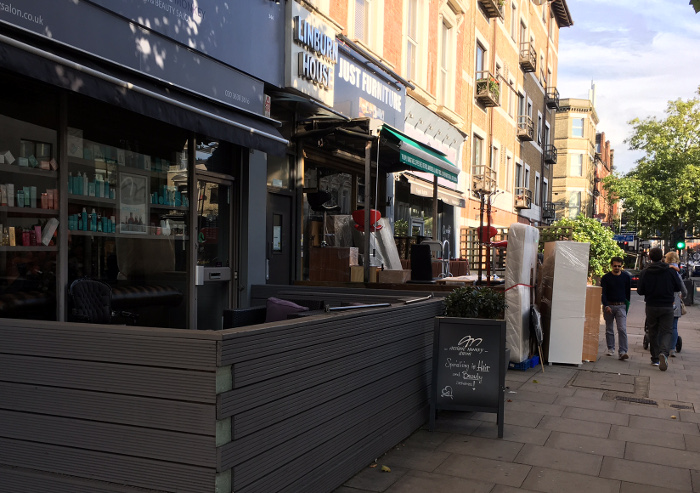
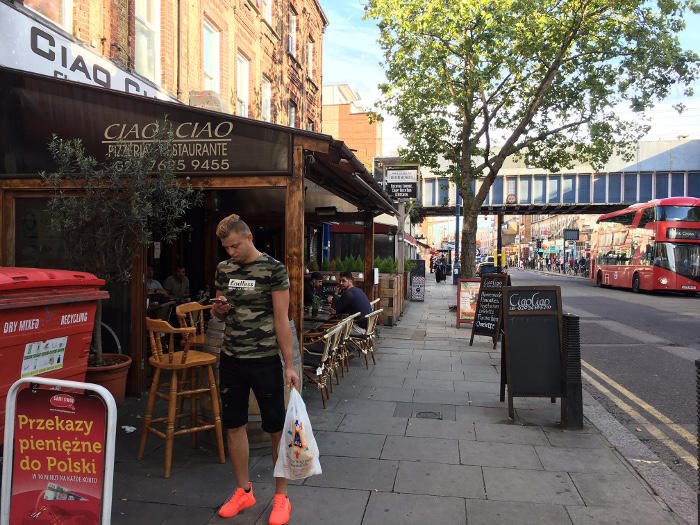
 Next up is popular pizza joint Quartieri, which had tested the limit by putting out chairs on the pavement and an A-board. However, it was slapped down pretty quickly and with a reputation to keep has been playing by rules since then.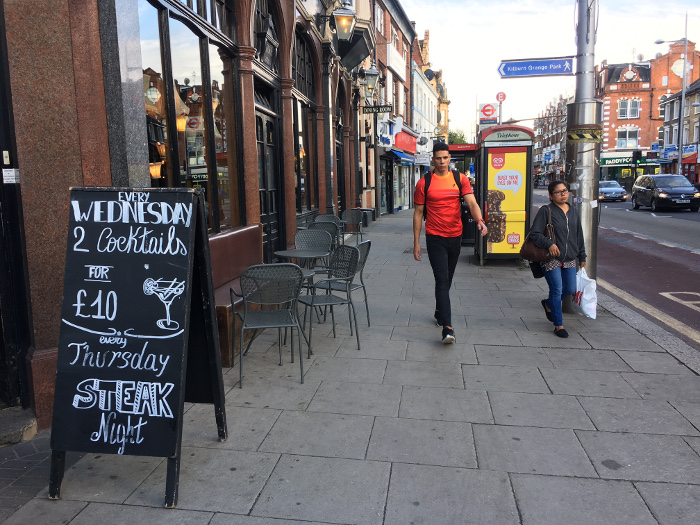









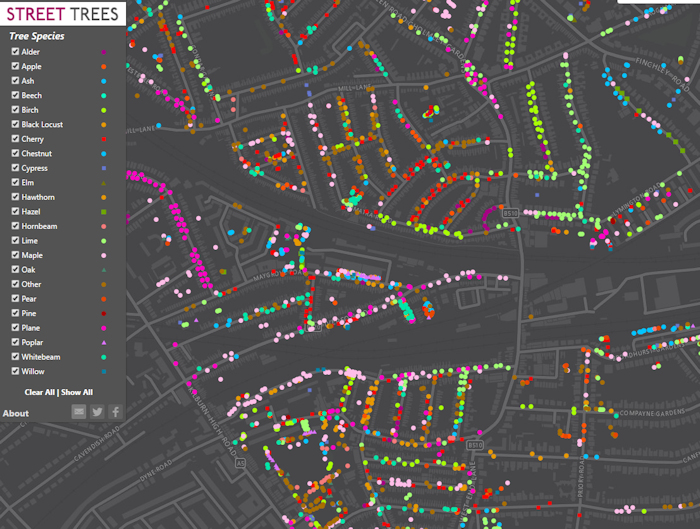
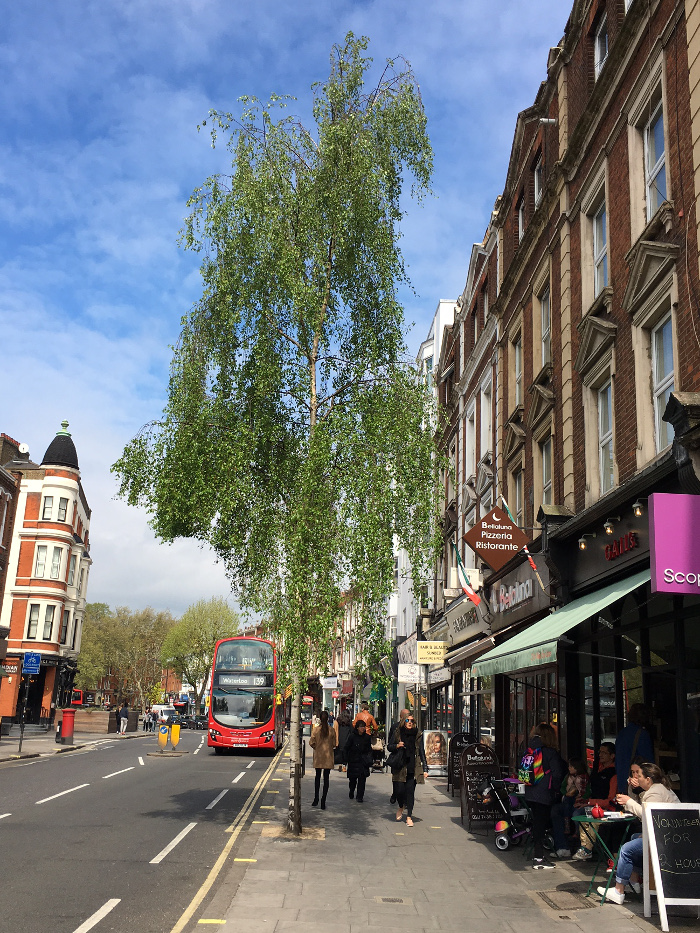
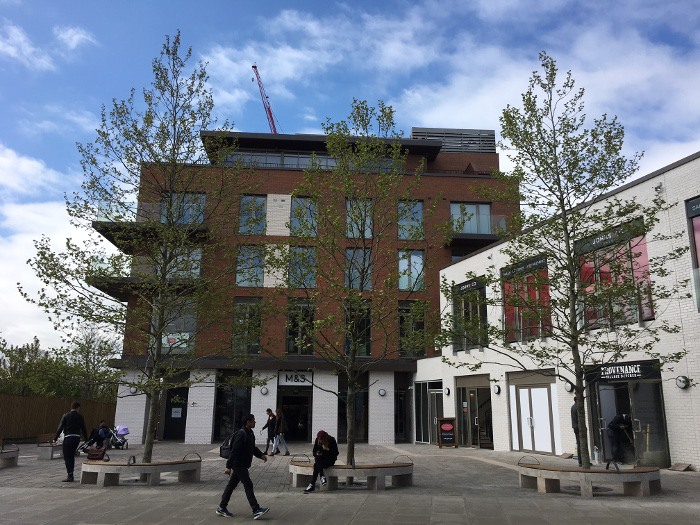
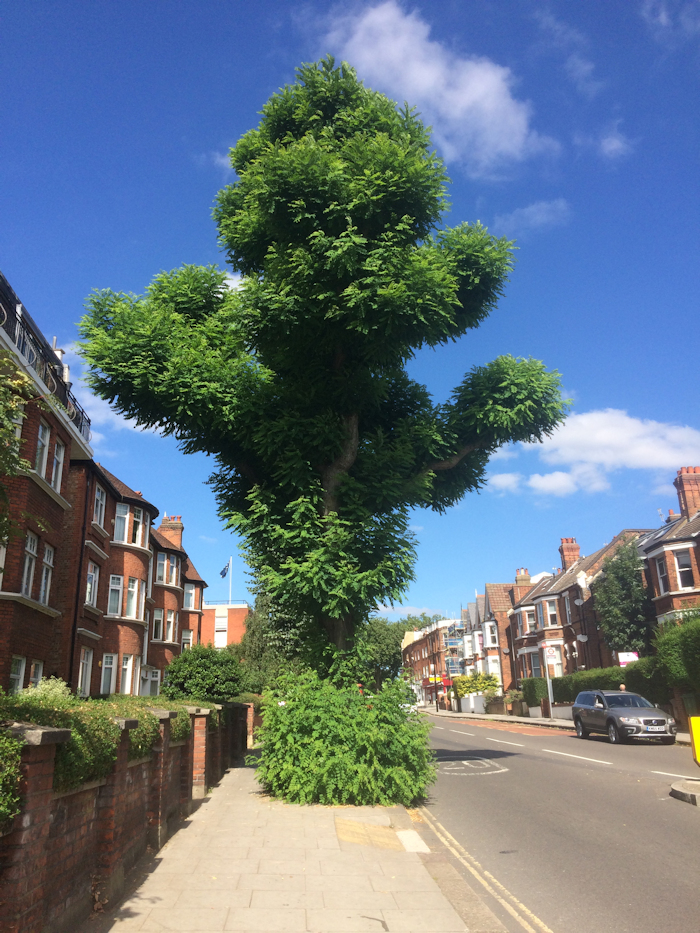
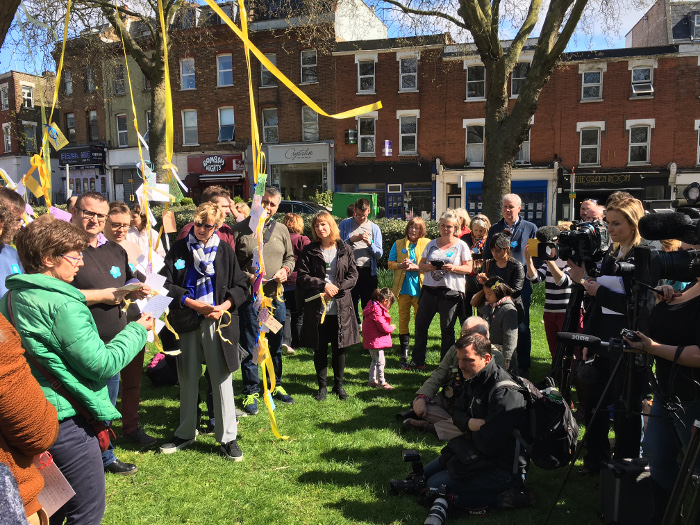
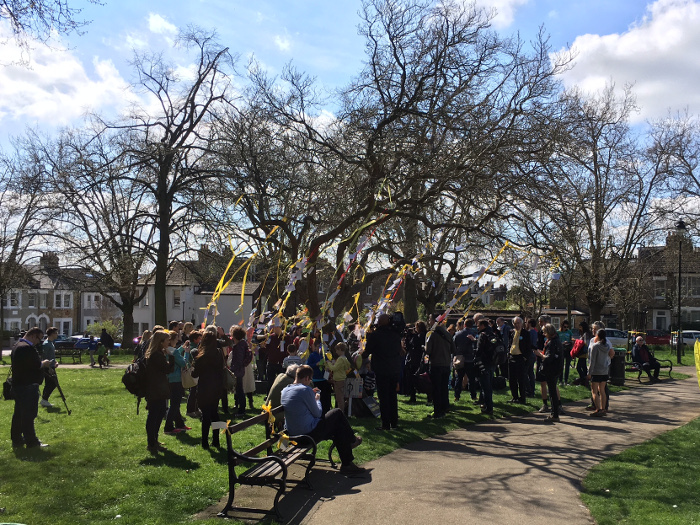






































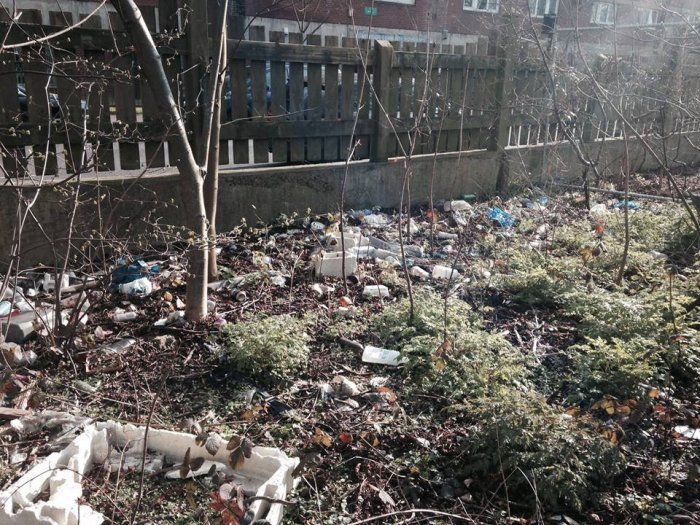
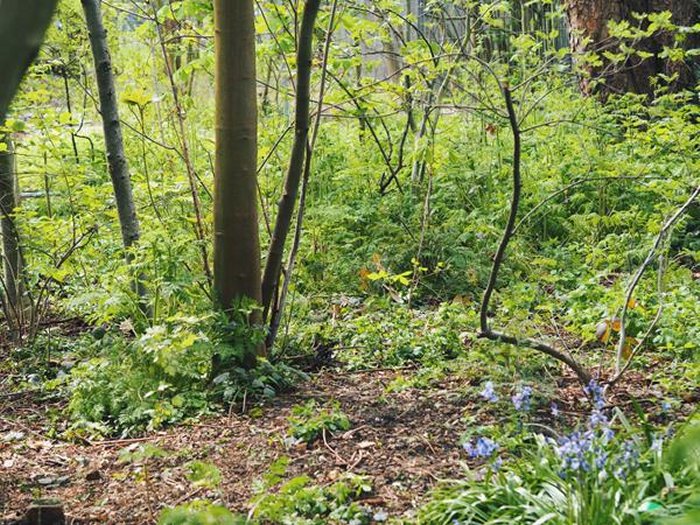
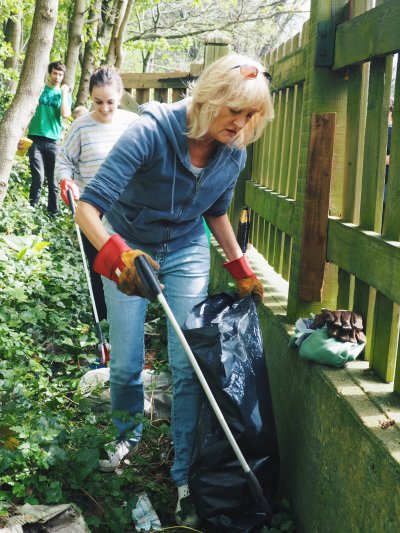



















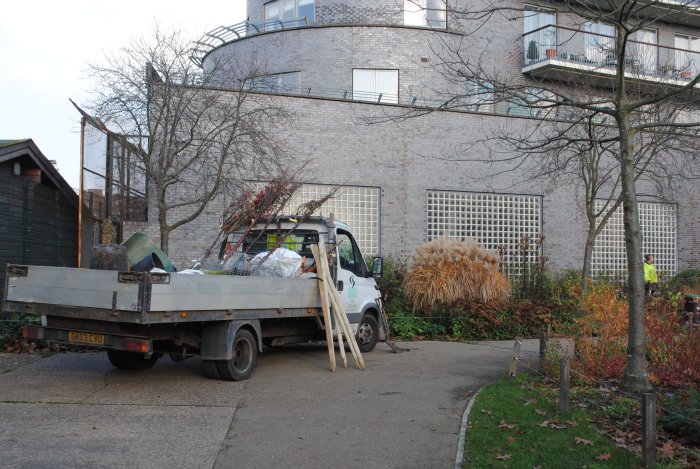
 Yesterday, Camden contractors replaced some of the missing trees.